 City of Racine
City of Racine
City of Racine
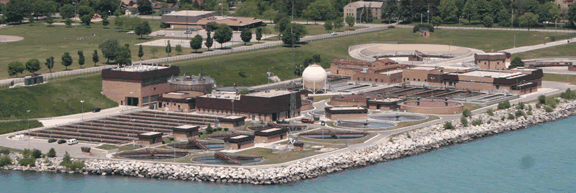
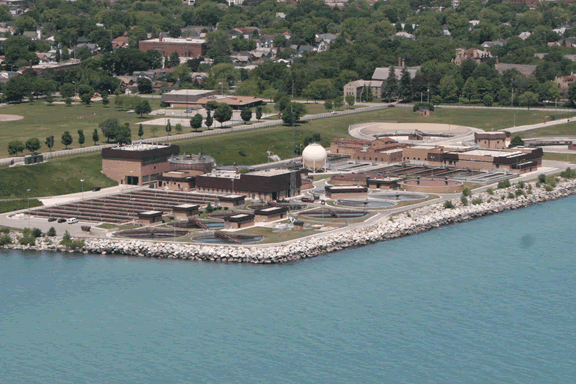
The Racine Wastewater Commission sets the per-gallon rate charged to communities, such as local villages. These villages then factor in their own additional expenses, including the costs of maintaining their sewer pipe networks, lift stations, office operationsThe fact or condition of functioning or being active., and engineering services.
In the Villages of Mt. Pleasant, Caledonia, Sturtevant, and North Bay, residential customers are typically billed a flat quarterly fee. This helps their local sewer commissions ensure predictable revenue for the fiscalRelating to government revenue, especially taxes. year.
Even if the Wastewater Utility changes its rates to the villages—either increasing or decreasing them—it doesn’t automatically mean the village will adjust the rates it charges to residents.
If you have questions about your sewer bill, please contact the Village or City where you live.
The Racine Wastewater Commission sets community rates each year based on the expected volume of wastewater that will be treated at the plant during the upcoming calendar year. These rates must be approved annually by the Racine Common Council in line with the sewer agreement.
If wastewater flow is projected to rise, rates typically go down. If the flow is expected to drop, rates usually go up. Charges are calculated using a set dollar amount per million gallons.
Most of the wastewater treated comes from typical households and businesses, which is considered normal domestic strength waste. This type is billed under Class 1 rates. Some industries release wastewater that is stronger than normal domestic levels. These are charged Class 2 rates.
To determine which industries fall into Class 2, samples are taken from various facilities throughout the year to measure the strength of their wastewater.
Many industries take part in an industrial pretreatment program, where they use in-house treatment systems to lower the strength of their waste. This helps ease the load on the treatment plant and lowers their treatment costs.
| Community | Rate per ccf (748gal) | Rate per ccf (748gal) |
|---|---|---|
| 2024 | 2025 | |
| City of Racine | $2.87 | $2.89 |
| Elmwood Park | $2.84 | $2.85 |
| North Bay | $2.84 | $2.85 |
| Household Hazardous Waste Charge | $0.75 | $0.75 |
| Community | Rate (per unit million gal) | Rate (per unit million gal) |
|---|---|---|
| 2024 | 2025 | |
| City of Racine | $2,506.21 | $2,544.05 |
| Pollutant (per 1000 pounds) | ||
| Biochemical Oxygen Demand | $280.77 | $279.55 |
| Suspended Solids | $343.80 | $348.65 |
| Phosphorus | $2,832.02 | $2,636.62 |
| Community | Quarterly Flat Rate | Quarterly Flat Rate |
|---|---|---|
| 2024 | 2025 | |
| Residential | $30.00 | $30.00 |
| Commercial | $100.00 | $75.00 |
| Multi Family | $100.00 | $75.00 |
| Industrial | $100.00 | $175.00 |
| Public Authority | $100.00 | $175.00 |
When the sewer agreement was adopted in 2002, the Wastewater Utility was required to use a rate structure that prevents it from making a profit or incurring a loss in any given year.
For example:
If the Utility needs $10 million in revenue to operate for the year, rates are set based on that amount. However, if it’s a dry year and wastewater flow is 10% lower than expected, revenue would fall short by $1 million. This $1 million loss must be recovered in the following year’s budget.
So, in the next rate-setting cycle, the Utility must now budget for $11 million to cover both the new year’s costs and the previous year’s shortfall. If all other operating expenses remain unchanged, rates would need to increase by 10% to make up the difference. Conversely if the flow at the plant would have exceeded expectations in a given year, then the rates in the next budget cycle would go down proportionately in the next budget making cycle.
While you might expect the sanitary sewer system to be completely sealed, that’s not actually the case. Rainwater and groundwater often enter the system, significantly impacting peak flows both at the treatment plant and throughout the collection network.
During heavy rain, flow volumes can increase by up to ten times the normal amount. Because of this, plant operators must closely monitor weather conditions and be ready to quickly adjust operationsThe fact or condition of functioning or being active. as needed.
The unpredictable nature of rainfall—both in volume and timing—can lead to large swings in revenue. These fluctuations not only affect rates in the year the rain occurs but can also impact rates in future years due to the budget “true-up” process.
Sewer charges in the City of Racine are billed quarterly and are based on each residential customer’s water meter reading. This means your sewer bill reflects the actual amount of water used at your home or business. If you use less water, your sewer charges will be lower.
In addition to usage-based charges, Racine customers also pay a fixed quarterly capital charge. This fee helps repay long-term debt for major Capital Improvement Projects, including upgrades made at the wastewater treatment plant and to the collection system aimed at reducing flooding and backups in certain areas of the City.
The fixed charge also supports ongoing repairs and maintenance of the City’s extensive sewer system, which includes pipes that are 50 to 150 years old.
Residents will also notice a quarterly fee on their bill that helps fund the City’s Household HazardousAnything that involves danger Waste collection program.