
Choose Services
Immunizations
What is Immunization?
Immunization is the process of becoming protected from a disease thanks to a vaccine. This helps protect you and others around you from serious, potentially life-threatening illnesses like measles, polio, influenza, and many others. Immunization is important for people of all ages, ensuring that your entire family is protected from these diseases.
Vaccines help the body learn how to defend itself from disease without the dangers of a full-blown infection. This is because vaccines often contain modified versions of the virus or bacteria that would normally make you sick, so that your body can learn to fight off the infection without actually getting sick. The immune response to a vaccine might cause you to become tired or be sore or uncomfortable for a day or two, but the resulting protection can last a lifetime. Infections are unpredictable and can have long-term consequences. Even mild or symptom-less infections can be deadly.
The Public Health Department Health Clinic offers routine childhood vaccines as well as several different vaccines recommended for adults. Vaccines available and recommended are based on the guidance of the Wisconsin Department of Health Services.
Immunization Clinic
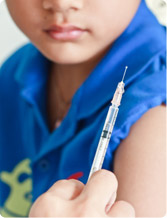
Both adult and childhood immunizations are available by appointment only. In order to receive vaccines from the Public Health Department, you or your loved one must meet certain criteria for eligibility.
Children (through age 18) must be eligible for the Vaccines for Children program, meaning they:
- Are enrolled in Medicaid (also called Badger Care or Forward Health in Wisconsin),
- Do not have health insurance coverage,
- Have health insurance coverage that doesn’t pay for all vaccines, or
- Are American Indian or Alaska Native.
Adults (age 19 and older) must be eligible for the Vaccines for Adults program, meaning they:
- Do not have health insurance coverage, or
- Have health insurance coverage but it does not cover certain vaccines or has a fixed coverage limit for vaccines.
If you have questions about eligibility for vaccines, call 262-636-9431 for more information.
Cost
For children receiving vaccines who are covered by Medicaid (Badger Care or Forward Health), there is no cost for the appointment. Please bring your child’s Forward Health card with you to each appointment.
For all others, administration fees are charged based on the number of vaccines received during the visit:
- One Vaccine: $20
- Two Vaccines: $25
- Three or More Vaccines: $30
Appointments
To make an appointment, call 262-636-9431.
Immunization Records
To receive a copy of your or your child’s immunization record, print them at home by visiting the Wisconsin Immunization Registry Record Search. First or last name, birth date, and social security number or Medicaid ID number are required to view a record.
If you cannot retrieve your record using the above link, call the Public Health Department Health Clinic at 262-636-9431 for assistance.
All vaccines administered by the Public Health Department are entered into the Wisconsin Immunization Registry and will be available for viewing through the above link by the next business day.
Immunization Clinic Forms
In order to expedite the process during the Immunization Clinic appointment, have the following forms filled out prior to arriving. If you have any questions about which form is appropriate for your appointment, call 262-636-9431.
Adult Immunization Questionnaire (age 19 years and older)
Childhood Immunization Questionnaire (age 18 and younger)
Influenza and Pneumonia Vaccines
Influenza, or the flu, is a contagious respiratory illness caused by influenza viruses. It can cause mild to severe illness with symptoms such as fever, cough, sore throat, muscle aches, and vomiting, and at times can lead to death. Some people, such as older people, young children, and those with certain health conditions, are at high risk for serious complications resulting from the flu. The best way to prevent the flu is by getting vaccinated each year. Vaccination begins each fall and continues through spring. This time period matches the time of the year when influenza becomes most widespread in the U.S.
Pneumonia is an inflammation of the lungs caused by an infection. Bacteria, viruses, fungi or parasites can all cause pneumonia. Pneumonia is of particular concern for those over 65 or with a chronic illness or weakened immune system. However, it can also occur in young, healthy people. Pneumonia can range in seriousness from mild to life-threatening. The best defense against pneumonia is to be vaccinated.
If interested in receiving an influenza or pneumonia vaccine, contact your primary care physician or local pharmacy.
International Travel
If you will be traveling outside of the United States to certain parts of the world, vaccinations and/or other treatments may be required or recommended. These would be in addition to the normal vaccines you receive in this country. Visit the CDC Traveler’s Health website for information about what is recommended for the places you will be traveling.